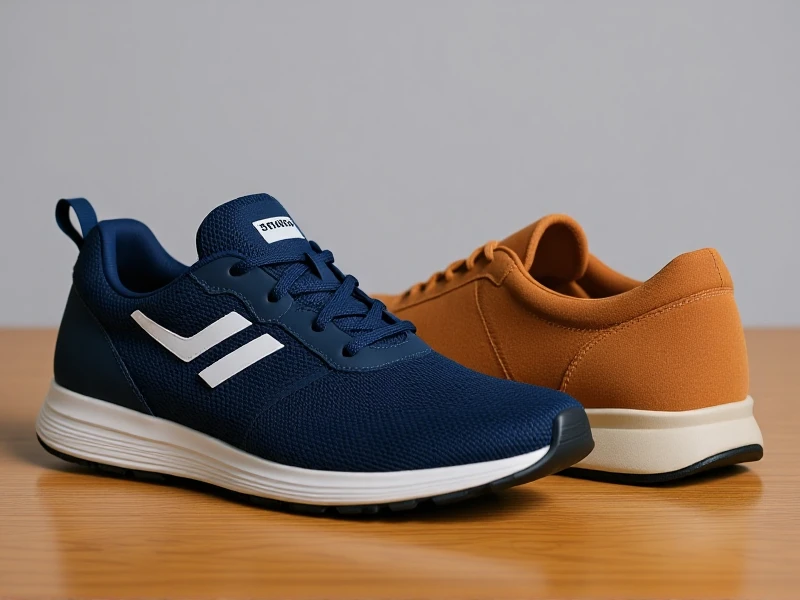
Step Up Your Game: The Ultimate Guide to Choosing Your Perfect Sports Shoes
Here is an SEO-optimized article focusing on "Sports Shoes":
Feeling that nagging ache in your knees halfway through a run? Or maybe your feet burn trying to keep up in that HIIT class? The answer just might be strapped to your feet. Choosing the right sports shoes is far more important than just picking a cool colorway; it's fundamental to your performance, comfort, and most importantly, preventing injury.
Modern sports shoes are marvels of engineering, designed for specific types of movement. Gone are the days of one generic "sneaker." Today, specialized cushioning systems absorb shock differently for running versus basketball. Targeted support structures stabilize feet during lateral cuts needed for tennis or soccer. Breathable mesh uppers keep feet cool during long workouts, while durable rubber tread patterns provide the precise grip demanded by trail running or court sports. The materials and technology packed into each pair are the result of constant research and athlete feedback.
So, how do you find your match? The first step is being honest about your primary activity. Are you logging serious miles on roads, hitting the gym daily, playing competitive team sports, or trekking trails? Sports shoes built for running prioritize forward motion cushioning and heel-to-toe transitions. Cross-trainers offer versatility for weightlifting and multi-directional gym movements. Court shoes (basketball, tennis, volleyball) provide exceptional ankle support and lateral stability for quick stops and side-to-side action. Trail runners boast aggressive outsoles and rock plates for rugged terrain.
After defining your sport, understanding your foot type is critical. Do you tend to overpronate (feet roll inward), underpronate (supinate, roll outward), or are you neutral? Many running specialty stores offer gait analysis to determine this – a wise investment when selecting performance sports shoes. Proper fit is non-negotiable: ensure about a thumbnail's space (half an inch) at the toe box to accommodate foot swelling during exercise. Lace them up correctly for a secure, comfortable midfoot hold without pinching.
Stop compromising your athletic potential or risking injury with the wrong footwear. Investing time in researching and trying on the specific sports shoes suited for your activity and biomechanics pays dividends. You'll find yourself moving more efficiently, recovering faster, and staying in the game longer. What are you waiting for? Your perfect performance partner is waiting to be laced up! What features are most important to you in your sports shoes?