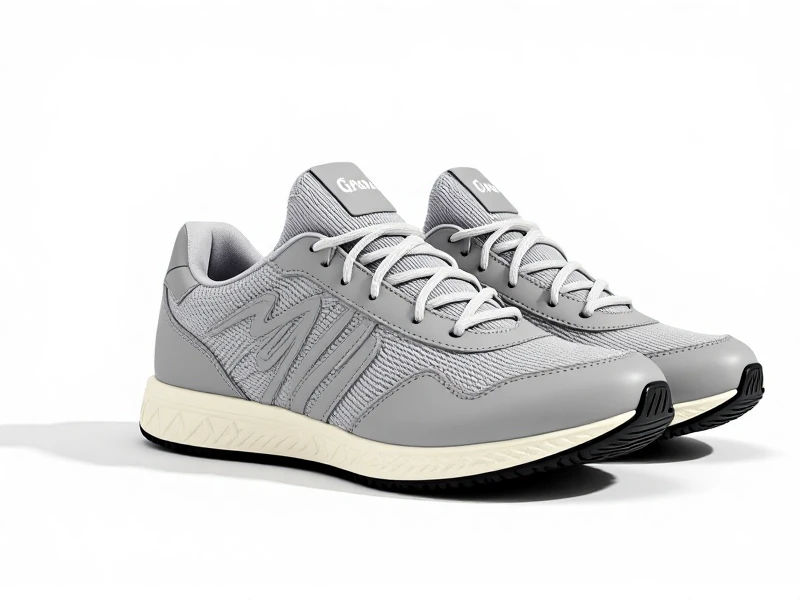
The Ultimate Guide to Choosing Your Ideal Sports Shoes
Finding the perfect pair of sports shoes isn't just about style – it's about performance, comfort, and preventing injury. With countless options flooding the market, selecting the right athletic footwear can feel overwhelming. Understanding key features empowers you to make a smart investment in your feet and your activity level.
Cushioning is King (and Queen!) The cushioning system absorbs impact with every step. Runners tackling long distances typically need maximum cushioning for repetitive pavement pounding. High-cushion Sports Shoes act like shock absorbers, protecting joints. Conversely, court-based athletes like basketball or tennis players often benefit from responsive cushioning that allows quick bursts and lateral movements without sinking instability. Don't underestimate heel-to-toe drop either; lower drops encourage a midfoot strike, while higher drops may suit heel strikers.
Support Matters for Your Arches Midsoles provide structured support. Those with flat arches likely need Sports Shoes offering stability or motion control to prevent overpronation (inward rolling). Neutral arches can usually thrive in neutral cushioning shoes. High-arched individuals might seek shoes with enhanced cushioning to better accommodate their foot mechanics. Visit a reputable store specializing in athletic footwear for a gait analysis – it takes the guesswork out!
Grip and Go: The Outsoles Outsole rubber and tread pattern are crucial for traction. Running Sports Shoes feature varied lugs depending on terrain – deeper lugs for trails, flatter grips for roads. For indoor sports like volleyball, non-marking soles are essential. Durability matters too; some compounds resist abrasion better on asphalt, while others excel on rubber courts.
Breathability and Fit: Comfort is Non-Negotiable Look for engineered mesh uppers allowing airflow to keep feet cool and dry during intense workouts. A snug, secure heel counter prevents slippage, while adequate toe box space prevents blisters and black toenails, especially during downhill running. Speaking of which, always fit your Sports Shoes in the late afternoon or evening when feet are naturally slightly swollen, and always wear the socks intended for that sport. An uncomfortable "break-in" phase often signals an ill-fitting pair.
Beyond the Run: Sport-Specific Needs The best shoes for running aren't necessarily ideal for cross-training. Activities like HIIT or gym sessions demand a flatter, more stable sole base for lifting and multidirectional moves. Court sports like squash require shoes designed for explosive side-to-side actions. Dedicated sport-specific Sports Shoes offer protective features and tailored support precisely where needed.
Choosing the right pair of Sports Shoes directly impacts your performance and enjoyment. Focus on cushioning, support, your specific activity, and an immaculate fit. Take your time trying different brands and models. Your feet deserve it! Now, go find that perfect pair – and maybe check the heel of your old running shoes; if the tread pattern is heavily worn on one side, it's definitely time for new kicks.